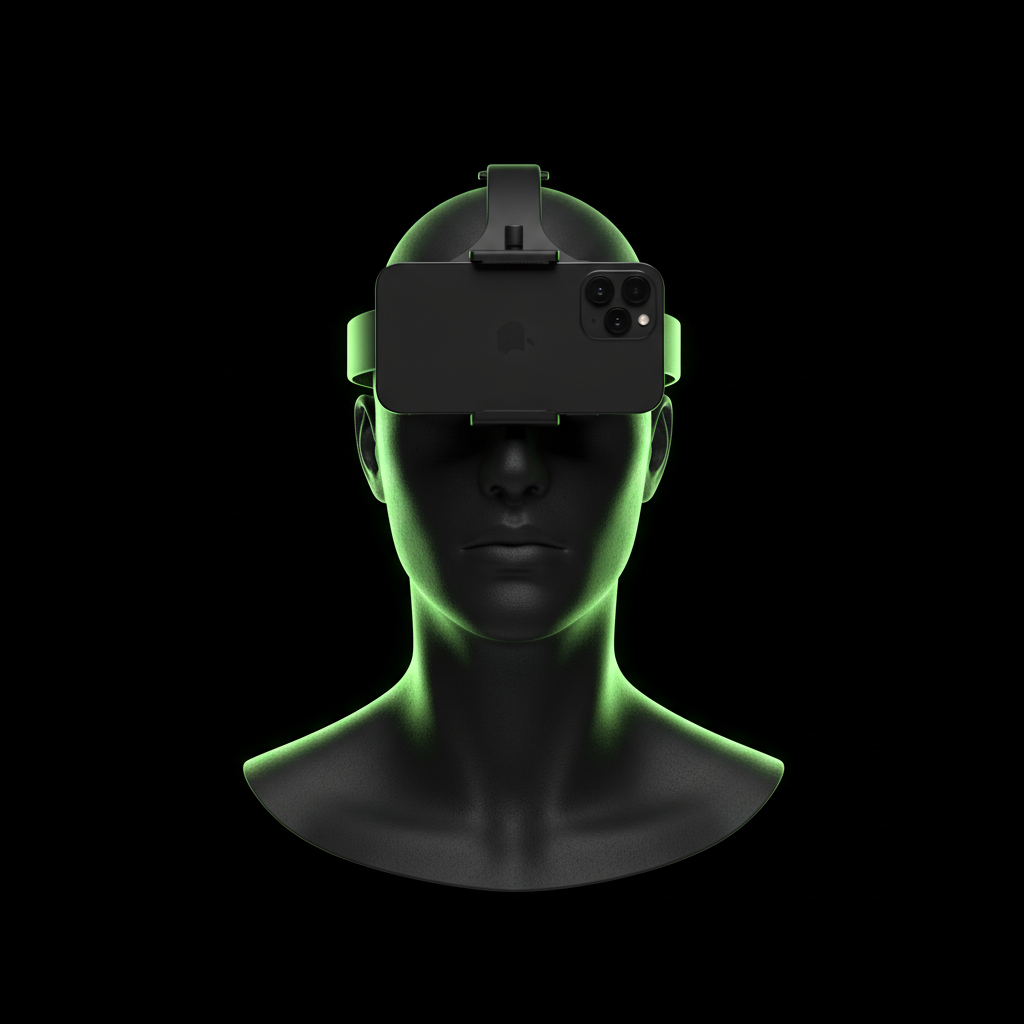
iPhone + head mount
· wide ego view
· guided capture in-app
We pay people to record first-person video, hand motion, and proprioception data from wearables and phones today — and democratize access to robot teleoperations tomorrow. That data trains the foundation models that move the world's robots.
Pick a task from the taxonomy, film yourself performing it, earn rewards when your demonstration is accepted.
Browse the Deviant task taxonomy in the app — from Pick & Place to Deformable Objects — and choose one that fits the moment you're in.
Use the Deviant app to film yourself performing the task. Our guided capture ensures consistent, high-quality training data. Record first-person — from your own point of view, hands in frame. Third-person clips (someone filming you) and clips filmed one-handed while holding the phone earn reduced points — mount your phone so both hands stay on the task.
Accepted demonstrations become part of the Deviant training set. You get rewarded when your clip passes verification.
We're starting with the device in your pocket. More form factors in the pipeline.
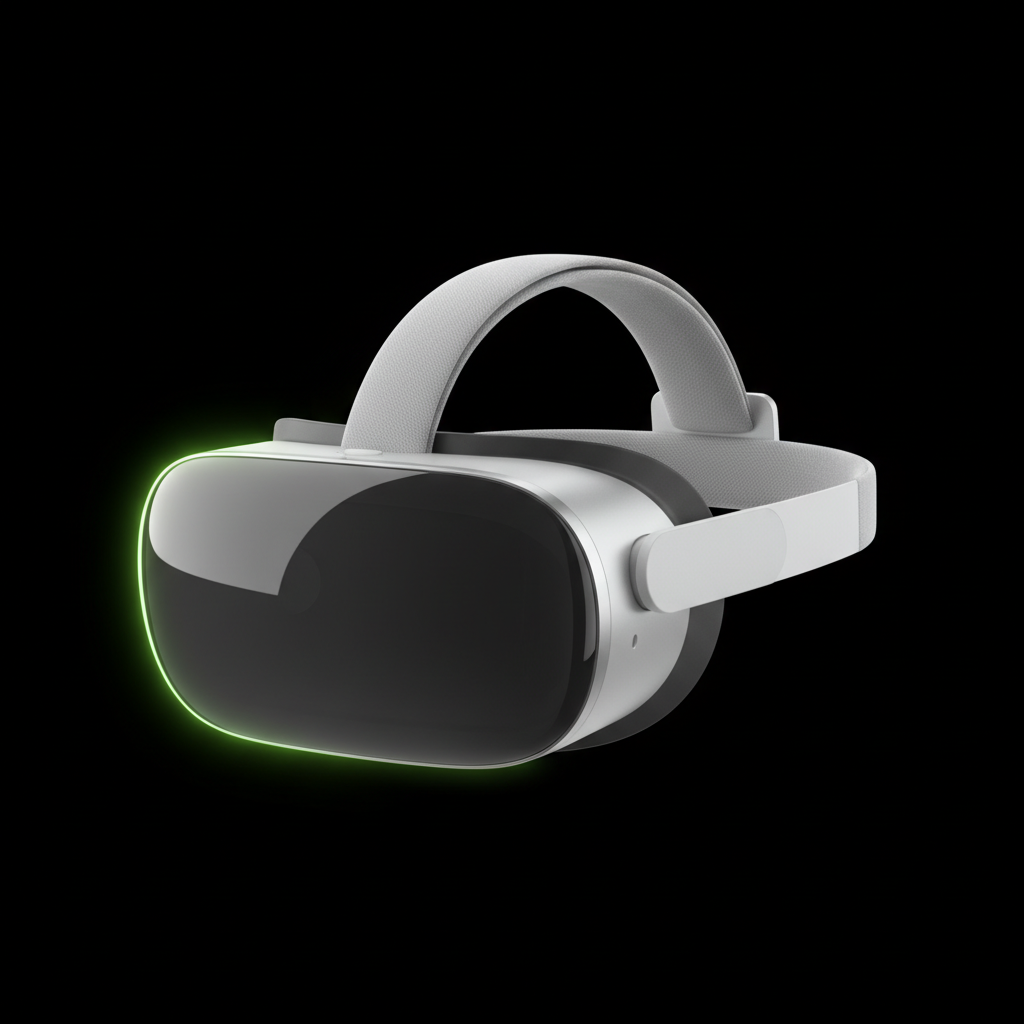
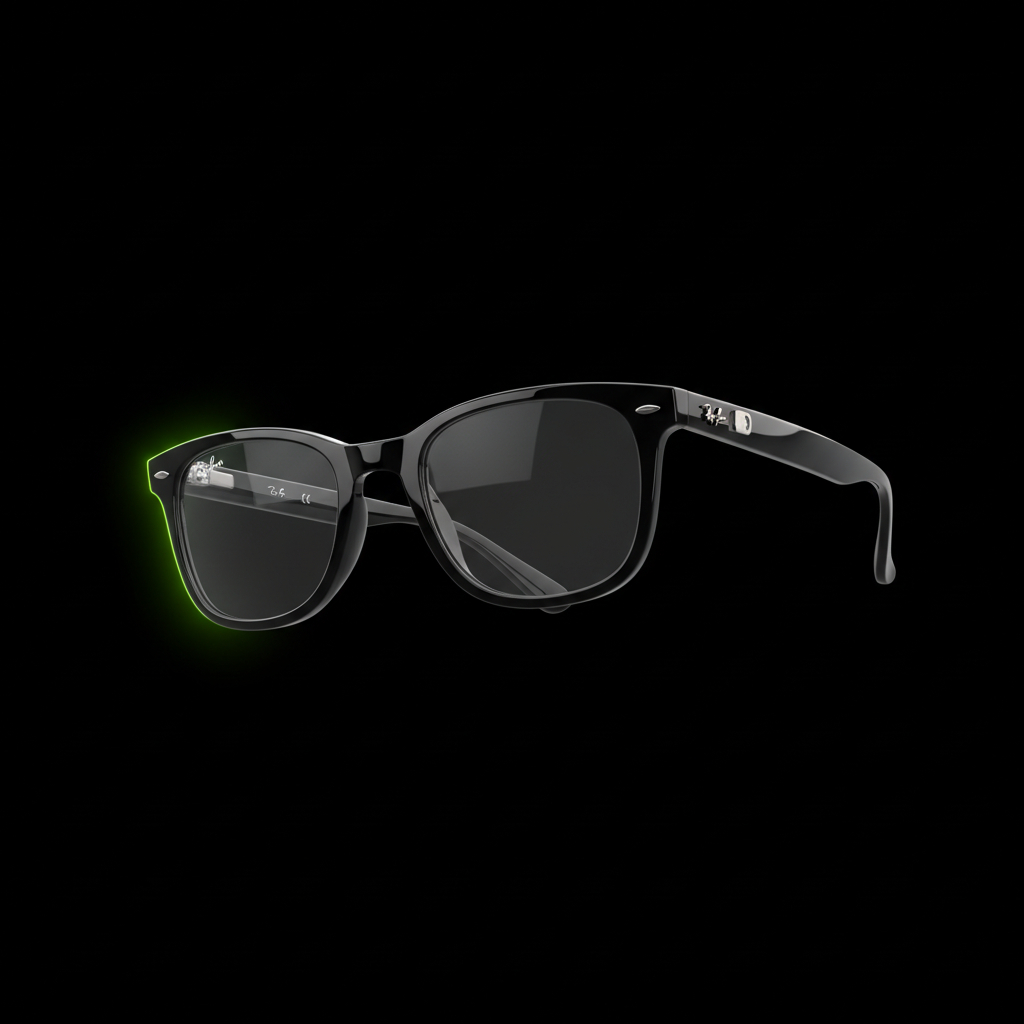
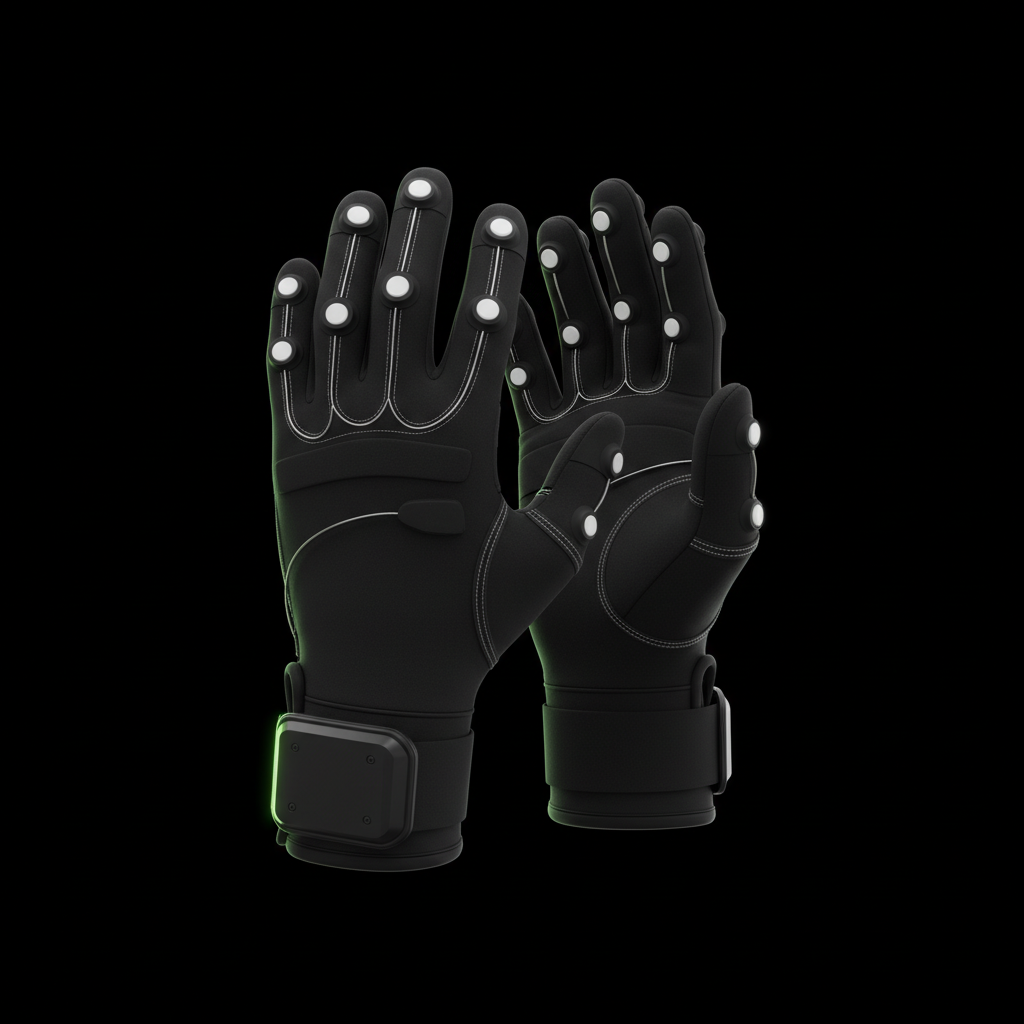
New devices are being added as the app rolls out. Join the waitlist to hear when yours is supported.
join_waitlist →Our structured taxonomy covers the full spectrum of manipulation skills robots need to master.
Grasping objects and placing them precisely — from sorting groceries to organizing shelves. The foundational skill for robotic manipulation.
Operating buttons, switches, touchscreens, and controls. Teaching robots to interact with the interfaces humans designed for humans.
Navigating doors, gates, locks, and physical barriers. Essential for robots that need to move through real-world environments.
Wielding handheld tools effectively — from kitchen utensils to cleaning equipment. Complex dexterous manipulation in action.
Handling soft, flexible, and deformable materials — one of the hardest challenges in robotics. Fabrics, food, cables, and more.
Higher quality and longer videos result in more rewards.
Egocentric capture is Phase 1. The network is built to expand across the full lifecycle of robot foundation model training — and the value of holding a piece of it grows with each stage.
iPhone + head mount. First-person video of household tasks. The modality used to pretrain embodied AI world models — the foundation every robotics foundation model is built on.
Remote-control simulated and physical robot arms. Capture action-labeled trajectory data — denser, more structured, and significantly more valuable per minute than passive video. The modality used to fine-tune a pretrained world model into a robot that performs specific tasks reliably.
—
Together, Phases 1 and 2 give Deviant coverage across the entire training pipeline — pretraining and fine-tuning. The dataset becomes the primary input for both stages of robot foundation model development. Holders own a share of an asset whose commercial relevance compounds with every layer the network adds.
Just an iPhone and a head mount. Deviant is designed so you can pull out your phone, pick a task, and record. Refer to our whitepaper for examples of head mounts you can use and best practices for recording.
You earn rewards for demonstrations that pass verification — the higher the quality, the larger the rewards. Exact amounts, tiers, and payout methods are subject to change.
Data collected is used to train cutting edge foundation models with partners like research groups, robotics labs, industry leaders and more.
There are currently five task categories: Pick & Place, Interface Manipulation, Entry & Access, Tool Use, and Deformable Objects. Each category covers common everyday skills — see the tasks section above for examples. More tasks will be added on an ongoing basis based on demand from our partners.